Learning Outcomes:
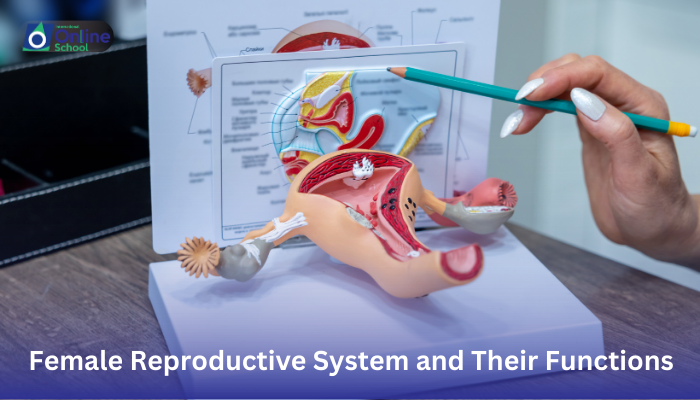
i. Identify and describe the key structures of the female reproductive system.
ii. Explain the specific functions of each structure in the process of female reproduction.
iii. Appreciate the intricate interplay of organs that enables egg production, fertilization, and pregnancy.
iv. Understand the link between anatomy and the overall functionality of the female reproductive system.
Introduction:
Imagine a hidden garden, lush and fertile, where life begins and flourishes. This is the female reproductive system, a marvel of biological architecture designed for the creation and nurturing of new life. In this lesson, we'll embark on a captivating journey through this inner sanctuary, unveiling the secrets of its structures and understanding the crucial roles they play in the miracle of female reproduction.
i. The Outer Guardians: The Vulva and Labia
The journey begins with the vulva, the external part of the female reproductive system. It's a protected area, shielded by the folds of skin known as the labia majora and labia minora. These protective layers offer lubrication and sensation, aiding in sexual function and hygiene.
ii. The Gateway: The Vagina and Cervix
Deep within the vulva lies the vagina, a muscular, elastic passage leading to the uterus. The vagina serves as the pathway for sexual intercourse, menstrual blood flow, and childbirth. At the top of the vagina lies the cervix, a narrow opening guarded by mucus that acts as a gatekeeper, filtering sperm and preventing infections.
iii. The Cradle of Creation: The Uterus and Fallopian Tubes
The uterus, located above the vagina, is the pear-shaped muscular organ where a fertilized egg implants and develops into a fetus. Its thick, inner lining, the endometrium, undergoes regular changes throughout the menstrual cycle, preparing for potential pregnancy. Extending from the uterus are two slender tubes, the Fallopian tubes, where the egg matures and fertilization takes place.
iv. The Ovarian Haven: The Ovaries and Ovulation
The ovaries, nestled on either side of the uterus, are the treasure chambers of the female reproductive system. They house oocytes, the female reproductive cells, and produce hormones like estrogen and progesterone, crucial for regulating the menstrual cycle and preparing the body for pregnancy. Each month, one of the ovaries releases a mature egg in a process called ovulation, setting the stage for potential fertilization.
v. The Interplay of Parts: A Symphony of Function
The female reproductive system is not just a collection of organs; it's a finely tuned orchestra, where each structure plays a vital role in the grand symphony of reproduction. Hormones orchestrate the cycle of menstrual changes, egg production, and preparation for pregnancy. Blood flow, nerve impulses, and lubrication all work in perfect harmony to ensure efficient egg production, fertilization, and the development of a healthy fetus.
The female reproductive system is a testament to the power and complexity of life. Understanding its structures and functions allows us to appreciate the incredible journey from egg to birth, a journey fueled by the intricate interplay of organs and hormones within this remarkable sanctuary of life. So, the next time you contemplate the miracle of reproduction, remember the hidden garden within the female body, a masterpiece of nature working tirelessly to create and nurture new life.
